Education Published on January 5, 2026 by MyEduTable Team 7 min read 8

AI Teaching Assistants in Classrooms 2026

AI Teaching Assistants in Classrooms 2026
Share Article:
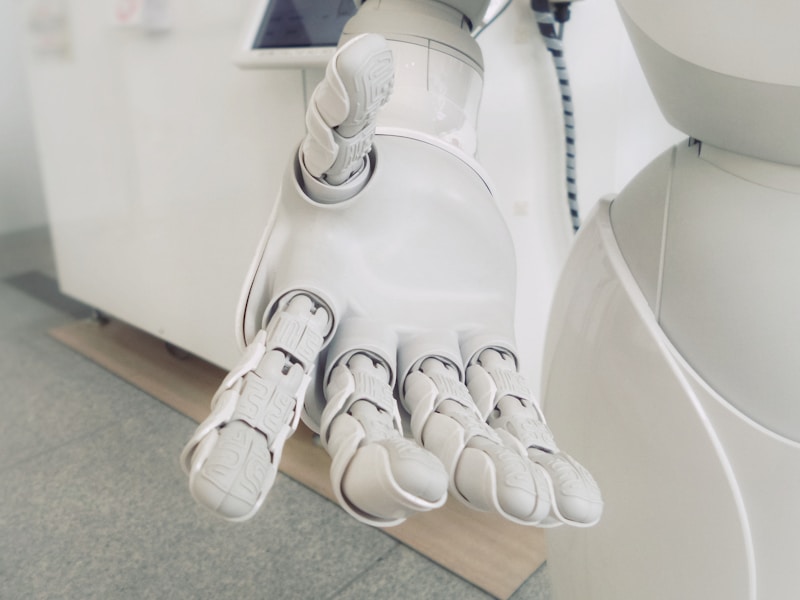
AI-powered intelligent assistants will become an essential part of classrooms in 2026. Intelligent assistant capabilities: - Answering student questions instantly - Providing 24/7 educational support - Monitoring and analyzing student progress - Customizing learning to each student's needs - Facilitating communication between students and teachers Forms of intelligent assistants: 1. Physical robots in classroom 2. Smart voice assistants 3. Interactive chat interfaces 4. 3D virtual objects 5. Smart applications on mobile devices Educational tasks: - Explaining difficult concepts in various ways - Providing additional examples when needed - Helping with homework assignments - Guiding students in research projects - Organizing and managing group activities Administrative support: - Automatic attendance tracking - Managing schedules and appointments - Distributing tasks and reminders - Preparing reports and statistics - Coordinating with parents Student interaction: - Understanding student emotional state - Providing encouragement and psychological support - Adapting communication style to personality - Detecting signs of learning difficulties - Developing positive relationships with students Technologies used: - Advanced natural language processing - Voice and speech recognition - Emotion and sentiment analysis - Computer vision for behavior understanding - Machine learning for continuous improvement Teacher benefits: - Reducing administrative and routine burden - More time to focus on teaching - Detailed data on student performance - Help in making educational decisions - Continuous support in classroom management Student benefits: - Immediate and always available support - Learning at appropriate pace for each student - Fun and motivating learning interaction - Help in overcoming difficulties - Development of technology handling skills Technical challenges: - Ensuring accuracy and reliability of answers - Protecting privacy and data security - Handling language and dialect diversity - Developing deep understanding of educational context - Ensuring continuous information updates Future development: - More advanced and understanding AI - Integration with different learning platforms - Advanced creative and artistic capabilities - Deeper understanding of educational needs - Development of more realistic virtual personalities Impact on future of education: - Radical transformation in teacher role - More specialized and effective education - Improvement in overall learning outcomes - Possibility to learn anywhere, anytime - Development of new generation of technical learners

Tags

#مساعد ذكي #روبوت تعليمي #ذكاء اصطناعي #AI Assistant #Educational Robot #AI

MyEduTable Team

MyEduTable Team

Share Article

Related Articles

Discover more insights and updates